Oura 4 Ring: Complete Guide to Features, Fit, and Health Insights
The Oura Ring 4 represents the latest evolution in smart ring technology, bringing enhanced accuracy and comfort to wearable health tracking. This fourth-generation device introduces Smart Sensing technology that adapts to individual physiology, delivering continuous biometric data through an 18-path multi-wavelength PPG subsystem while maintaining up to eight days of battery life. Priced at $349 with a required membership of $5.99 per month, it offers validated health monitoring in a sleeker design than previous versions.
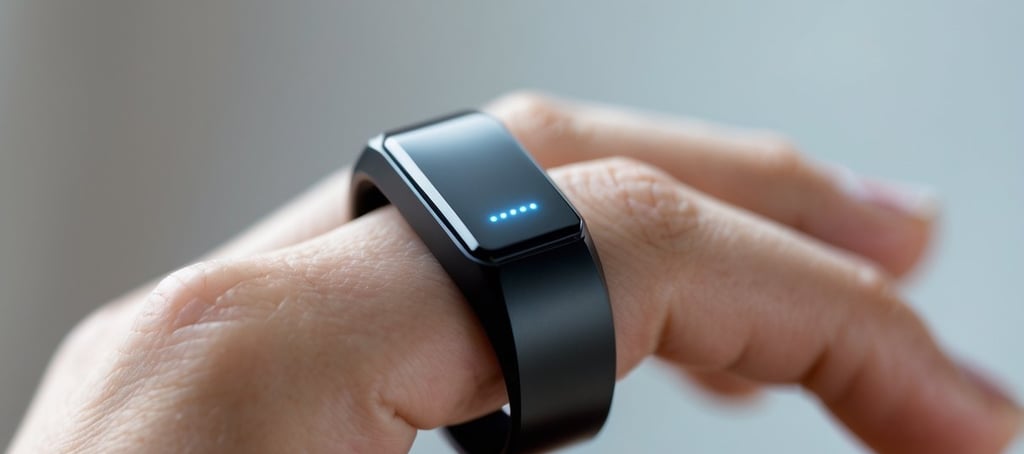
The ring now features recessed sensors and a fully titanium coating that reduces friction and accommodates sensitive skin. It comes in sizes 4 through 15, the widest range available in the smart ring market, with six finish options including an improved black coating. The device tracks sleep stages, heart rate variability, temperature trends, and stress levels throughout the day and night.
This article examines how the Oura Ring 4 performs across various health metrics, compares it to alternatives in the wearable market, and evaluates whether its features justify the investment. Readers will gain insight into the practical aspects of daily use, from the redesigned app interface to the specific tracking capabilities that set this device apart from both its predecessors and competing products.
What Is the Oura 4 Ring?
The Oura Ring 4 is a smart ring that monitors health metrics including sleep, activity, stress, and readiness through sensors embedded in a titanium band. It represents the latest generation in the Oura Ring series, offering improved accuracy and comfort over previous models.
Overview of Oura Ring Series
The Oura Ring series has evolved from a simple sleep tracker to a comprehensive health monitoring device. The Oura Ring 4 launched in late 2024 as the successor to the Oura Ring 3, introducing Smart Sensing technology that adapts to individual physiology for more accurate data collection.
This smart ring functions as both a fitness tracker and wellness monitor, tracking resting heart rate, heart rate variability (HRV), sleep stages, and temperature trends. The device measures these metrics through an 18-path multi-wavelength photoplethysmography (PPG) subsystem.
The wearable device stores up to two weeks of data depending on usage patterns. Research institutions including the University of Tokyo and the National University of Singapore have validated the ring's accuracy.
Design and Materials
The Oura Ring 4 features a fully titanium coating on both inner and outer surfaces, replacing the previous generation's design. This construction makes it gentler on sensitive skin compared to the Oura Ring 3.
The sensors are now recessed into the ring's band, creating a smoother profile that reduces friction during gripping and daily activities. Six finish options are available, including a redesigned black ceramic finish with improved durability.
The ring maintains water resistance while delivering up to eight days of battery life on a single charge. Full charging takes up to 120 minutes depending on current battery level.
Sizing and Comfort
The Oura Ring 4 comes in sizes 4 through 15, representing the widest size range available for any smart ring on the market. This expanded range adds more sizing options compared to the Oura Ring 3.
The recessed sensors and titanium coating contribute to reduced pressure points on fingers. The lower profile design allows the fitness tracker to sit more comfortably during handshakes, weightlifting, and other daily activities.
The ring starts at $349 and requires an Oura Membership at $5.99 monthly or $69.99 annually for full functionality.
Key Health Tracking Features
The Oura Ring 4 monitors over 30 biometrics through its advanced sensor array, delivering continuous health metrics across sleep, activity, cardiovascular function, and body temperature. These capabilities provide users with actionable insights into their overall wellness and recovery.
Sleep Tracking Capabilities
The Oura Ring 4 excels at monitoring sleep quality through its multi-wavelength PPG sensors and 3D accelerometer. The device tracks sleep stages including light, deep, and REM sleep with precision validated against polysomnography, the gold standard in sleep measurement. It measures sleep latency to show how quickly users fall asleep and monitors nighttime restlessness through movement detection.
The ring's temperature sensor detects variations in skin temperature throughout the night, which can indicate changes in recovery status or early signs of illness. Green and infrared LEDs continuously measure heart rate and heart rate variability during sleep, while red and infrared LEDs track blood oxygen levels (SpO2). Smart Sensing technology has improved signal quality for blood oxygen sensing by 120% and nighttime heart rate tracking by 31%.
Sleep data feeds into a comprehensive Sleep Score that helps users understand their rest quality and identify patterns affecting their recovery.
Activity and Fitness Monitoring
The Oura Ring 4 captures movement and exercise data through its 3D accelerometer, which monitors activity 24/7. The device automatically tracks step count and calculates an Activity Score based on daily movement patterns, exercise intensity, and overall activity levels.
Automatic Activity Detection recognizes over 40 workout types without manual input. After detecting an activity, the ring provides average heart rate and heart rate zones to show exercise intensity. The activity score adjusts to personal baselines over time, accounting for individual fitness levels and recovery capacity.
The ring balances activity recommendations with recovery needs, encouraging movement while preventing overtraining. Users receive insights about optimal activity timing based on their readiness levels and recent physical demands.
Heart Rate and HRV Analysis
Continuous heart rate monitoring runs 24/7 through the ring's PPG sensors, which use green and infrared LEDs for tracking. The device measures resting heart rate during sleep when readings are most stable and accurate. Smart Sensing technology has improved daytime heart rate accuracy by 7%.
Heart rate variability (HRV) serves as a key indicator of autonomic nervous system function and recovery status. The ring tracks HRV throughout the night, using this data to assess stress levels and readiness for physical activity. Higher HRV typically indicates better recovery and adaptability to stress, while lower values may signal the need for rest.
These cardiovascular metrics integrate with other biometrics to generate a daily Readiness Score, helping users make informed decisions about training intensity and recovery priorities.
Body Temperature and Biometrics
The digital temperature sensor measures skin temperature variations continuously, establishing a personal baseline for each user. Temperature data supports multiple health insights, including early detection of illness, menstrual cycle tracking, and recovery assessment.
The ring tracks respiratory rate during sleep through its PPG sensors, providing another window into overall health status and recovery quality. Changes in breathing patterns can indicate stress, illness, or sleep disturbances that affect rest quality.
All biometric data combines through proprietary algorithms that adapt to individual baselines over time. The machine learning models adjust how different health metrics contribute to overall scores, creating personalized insights that become more accurate with continued use. This comprehensive approach to biometrics distinguishes the Oura Ring 4 from basic fitness trackers that focus on single metrics.
Personalized Scores and Insights
The Oura Ring 4 translates raw health data into three primary scores that guide daily decisions about rest and activity. These metrics work together to provide actionable recommendations based on individual patterns and physiological signals.
Readiness Score Explained
The Readiness Score measures how prepared the body is for physical and mental demands. It combines multiple signals including resting heart rate, heart rate variability, body temperature, and recovery from previous activities. Scores range from 0 to 100, with higher numbers indicating greater capacity for exertion.
The algorithm weighs certain metrics more heavily when they deviate from baseline. An elevated body temperature or unusually high resting heart rate can significantly lower the score. The ring also factors in sleep quality, activity balance from recent days, and trends in recovery markers.
Users receive specific insight messages that explain what influenced their score. These messages might suggest taking it easy, focusing on recovery, or indicate readiness for more intense activity. The system prioritizes the most significant data points rather than treating all metrics equally.
Sleep Score Interpretation
The Sleep Score evaluates sleep quality through multiple dimensions including total sleep time, sleep efficiency, time spent in each sleep stage, and restfulness. The Oura Ring 4 tracks REM sleep, deep sleep, and light sleep throughout the night to calculate this metric.
Each component contributes differently to the overall score. Sleep efficiency measures the percentage of time actually sleeping versus lying awake. Timing also matters—the system considers whether sleep occurred during optimal circadian windows. Body temperature trends and sleeping heart rate patterns add context about sleep quality beyond duration alone.
Insight messages highlight specific factors that affected sleep. A notification might point out elevated heart rate later in the night or reduced deep sleep percentages. These observations help users identify potential disruptors like late meals, stress, or environmental factors.
Activity Recommendations
The Oura Ring 4 provides daily activity goals based on current readiness levels and recent movement patterns. Recommendations adjust automatically rather than prescribing fixed targets. Someone with a low Readiness Score receives guidance to prioritize gentle movement instead of intense exercise.
The system tracks inactive time and encourages breaking up sedentary periods throughout the day. It monitors walking equivalency and movement intensity levels to ensure balanced activity. When health data shows good recovery, the ring may prompt users to increase activity intensity.
Activity insights connect movement patterns to other health metrics. Users can see how different activity levels affect subsequent sleep quality or recovery. The ring emphasizes sustainable habits rather than pushing for constant performance gains.
Women's Health and Cycle Tracking
The Oura Ring 4 provides comprehensive women's health monitoring through continuous biometric measurements, including skin temperature variations, heart rate variability, and respiratory rate. These features enable accurate cycle phase tracking and fertility insights without requiring manual input.
Cycle Insights and Period Prediction
The ring tracks menstrual cycle phases by monitoring subtle changes in skin temperature caused by hormonal fluctuations throughout the month. It automatically detects both follicular and luteal phases, delivering contextual insights specific to each stage of the cycle.
Period prediction works by identifying temperature decreases that signal the onset of menstruation. The device analyzes patterns in body temperature alongside heart rate variability and sleep metrics to forecast when a period will begin.
Users must manually enable these features in the Oura app by navigating to the Women's Health settings and toggling on Cycle Insights. The system learns from continuous data collection, improving its accuracy over time as it establishes individual baseline patterns.
Fertility and Pregnancy Monitoring
The fertile window feature provides data about peak fertility periods and estimated ovulation timing through temperature trend analysis. This functionality helps users understand their conception chances without additional testing, though availability varies by country.
For pregnant users, Pregnancy Insights offers specialized monitoring that contextualizes changing biometrics during each pregnancy stage. The feature displays adapted views of vital signs and explains how metrics like resting heart rate and body temperature naturally shift during pregnancy.
The ring integrates with Natural Cycles, an FDA-cleared birth control app, as well as Clue and Flo for expanded cycle analysis. These partnerships allow users to combine Oura's continuous temperature data with other health tracking tools for comprehensive reproductive health monitoring.
Advanced Metrics and New Innovations
The Oura Ring 4 tracks blood oxygen levels and respiratory patterns during sleep while introducing cardiovascular metrics that assess heart health and fitness capacity. The device also incorporates stress monitoring tools and wellness features designed to help users manage their mental and physical wellbeing.
Blood Oxygen and Respiratory Rate
The Oura Ring 4 uses red and infrared LEDs to measure blood oxygen levels (SpO2) throughout the night. This continuous monitoring helps detect potential breathing irregularities during sleep and provides insights into overall respiratory function.
The device tracks respiratory rate using green and infrared LEDs that monitor breathing patterns. Smart Sensing technology has improved blood oxygen sensing signal quality by 120% compared to previous generations. These measurements occur automatically while users sleep, requiring no manual input.
The ring analyzes respiratory rate variations to identify potential signs of illness or changes in recovery status. Users can view their nightly SpO2 trends and respiratory rate data through the Oura app.
Stress Levels and Management
The Oura Ring 4 monitors stress levels by analyzing heart rate variability and other physiological markers throughout the day and night. The device provides a Stress Score that reflects the body's response to physical and mental demands.
Users receive guidance on stress management based on their individual patterns. The ring identifies periods of elevated stress and suggests recovery activities when the body shows signs of strain. This real-time feedback helps users understand how daily activities and events affect their physiological stress response.
The device tracks stress patterns over time, allowing users to identify triggers and evaluate the effectiveness of different stress management approaches.
Cardiovascular Age and Cardio Capacity
The Oura Ring 4 calculates cardiovascular age by analyzing heart rate variability, resting heart rate, and other cardiac metrics. This provides users with an estimate of their heart health relative to their chronological age.
Cardio capacity measurements assess aerobic fitness levels based on the relationship between activity intensity and heart rate response. The device tracks improvements or declines in cardiovascular fitness over weeks and months.
These metrics help users understand their heart health trajectory and the impact of exercise, sleep, and lifestyle choices on cardiovascular function. The ring uses continuous heart rate tracking and 3D accelerometer data to generate these assessments.
Guided Meditations and Wellness Tools
The Oura app includes guided meditations designed to support relaxation and stress reduction. These sessions range from brief breathing exercises to longer mindfulness practices.
Users can access various wellness tools that complement the ring's biometric tracking. The platform provides personalized recommendations based on individual recovery needs and stress levels. Audio sessions guide users through different meditation techniques tailored to specific goals like improved sleep or stress management.
The device tracks how meditation sessions affect physiological markers, allowing users to see the impact of their practice on metrics like heart rate variability and stress levels.
Oura App Experience
The Oura Ring 4 pairs with a redesigned app that consolidates health tracking into three main tabs, offering streamlined access to daily metrics, comprehensive health data, and long-term trends. The app requires a membership subscription to unlock its full suite of features and insights.
Health Data Visualization
The redesigned Oura app organizes health data into three primary tabs: Today, Vitals, and My Health. The Today tab functions as a daily health companion, displaying Sleep, Readiness, and Activity Scores at the top, along with shortcuts to heart rate, Daytime Stress, and Cycle Insights. It surfaces relevant health insights based on the time of day and includes a timeline view that shows how daily choices impact biometric data.
The Vitals tab provides a snapshot of key health metrics in one location. Users can view their baseline ranges for each metric, helping them identify what's normal and when measurements shift. The tab allows quick access to detailed information through expandable sections and side-scrolling navigation.
The My Health tab focuses on long-term health tracking, displaying slower-moving metrics like Cardiovascular Age and Stress Resilience through graph formats. This section includes weekly, quarterly, and yearly reports that users can share with healthcare providers.
App Features and Membership
Access to the Oura app's comprehensive features requires an active membership subscription beyond the initial trial period. The membership unlocks detailed health insights, personalized recommendations, and the Discoveries feature, which analyzes how tagged habits correlate with health changes.
The app has expanded beyond its original pillars of sleep, readiness, and activity to include stress tracking, resilience monitoring, heart health metrics, and women's health features. Users can add tags and activities to their timeline to understand patterns in their data. The personalized Today tab adjusts dynamically throughout the day based on individual health goals and current metrics.
Compatibility and User Interface
The Oura app works with both iOS and Android devices. The recent redesign brings a cleaner, more streamlined interface that simplifies navigation compared to the previous five-tab layout. The app's design emphasizes simplicity, making it easier for users to access essential information without sifting through multiple data points.
The interface uses clear visual elements including graphs, baseline indicators, and color-coded metrics. Users can swipe between detailed metric views and expand sections for additional contributors to each health score. The app stores data securely and allows users to export reports for personal records or healthcare consultations.
Comparisons and Alternatives
The Oura Ring 4 competes in a market with its own predecessor and several emerging alternatives. Key differences include sensor technology, subscription requirements, and compatibility across different ecosystems.
Oura Ring 4 vs Oura Ring 3
The Oura Ring 4 introduces significant hardware improvements over the Oura Ring 3. The new model features redesigned sensors that sit flush with the ring's interior, eliminating the protruding bumps that some users found uncomfortable in the previous generation.
Smart Sensing technology represents a major upgrade. This system allows the ring to automatically activate the correct sensors based on detected activities, improving battery efficiency and data accuracy. The Oura Ring 3 lacked this adaptive capability.
Battery life remains similar between both models at approximately seven days. However, the Ring 4's more efficient sensor management means users experience more consistent performance throughout the day.
The Ring 4 maintains the same subscription model as the Ring 3, requiring a monthly fee to access detailed health insights. Both rings track sleep stages, heart rate variability, body temperature, and activity levels. The newer sensors in the Ring 4 provide more accurate readings, particularly for heart rate monitoring during varied activities.
Oura Ring 4 vs Samsung Galaxy Ring
The Samsung Galaxy Ring stands as the Oura Ring 4's primary competitor in 2025. A crucial distinction is that Samsung does not require a subscription fee, while Oura charges monthly for full feature access.
Key Differences:
Feature Oura Ring 4 Samsung Galaxy Ring Subscription Required Yes No Ecosystem Works with iOS and Android Best with Samsung devices Size Options 12 sizes 9 sizes Battery Life ~7 days ~7 days
The Samsung Galaxy Ring integrates seamlessly with Samsung Health and works best within the Samsung ecosystem. Users without Samsung phones may find limited functionality. The Oura Ring 4 offers broader compatibility across both iOS and Android platforms.
Both rings track sleep quality, heart rate, and activity metrics. The Oura Ring 4 provides more detailed recovery and readiness scores, while the Samsung Galaxy Ring offers gesture controls for compatible Samsung devices.
Oura 4 Ring vs Other Fitness Trackers
Traditional fitness trackers like smartwatches offer larger displays and more immediate feedback than the Oura Ring 4. The ring excels at sleep tracking and passive monitoring but lacks a screen for real-time data viewing.
Fitness trackers typically include GPS, which the Oura Ring 4 does not have. Users who want detailed workout mapping will need to pair the ring with their smartphone. The ring's advantage lies in its discreet form factor and 24/7 wearability, including during sleep when many users remove bulkier devices.
Alternative smart rings from brands like RingConn and Ultrahuman offer subscription-free options. These competitors generally provide basic health metrics without the detailed analysis and algorithms Oura has refined over multiple generations. The Oura Ring 4's maturity shows in its comprehensive app experience and validated health insights.
Battery life gives the Oura Ring 4 an edge over most smartwatches, which typically require daily charging. The ring's week-long battery life makes it more practical for continuous health monitoring.
Battery Life, Durability, and Practical Use
The Oura Ring 4 delivers extended battery performance and enhanced durability compared to its predecessor, with features designed to withstand daily activities while maintaining consistent tracking accuracy.
Battery Performance and Charging
The Oura Ring 4 achieves 5-8 days of battery life under standard use conditions. Oura's testing assumed all-day wear, one hour of Automatic Activity Detection with Activity Heart Rate, Blood Oxygen Sensing disabled, and eight hours of nightly sleep tracking.
Several factors influence actual battery duration:
Ring size: Larger rings contain slightly bigger batteries, providing longer runtime
Blood Oxygen Sensing: Enabling this feature reduces battery life by up to two days
Activity tracking intensity: Extended workout sessions (2-3 hours daily) can decrease battery life by up to two days
The ring charges in 20-80 minutes depending on current battery level. The lithium polymer battery performs optimally when maintained between 25-80% charge, making frequent short charging sessions ideal. Users can top up the battery during brief periods like showering without affecting long-term battery health.
Water Resistance and Durability
The Oura Ring 4 features improved durability through its construction and design updates. The device uses ceramic materials that enhance resistance to scratches and daily wear.
The ring maintains water resistance for typical activities including handwashing, showering, and swimming. The flush sensor design eliminates previous protruding components that were vulnerable to impacts or catching on objects.
Daily Wear and Maintenance
The Oura Ring 4 requires minimal maintenance during regular use. Users should clean the ring periodically to maintain sensor accuracy and remove buildup from soap, lotions, or sweat.
The device functions continuously without requiring removal for charging throughout the day. Brief charging sessions during daily routines like showering provide sufficient power to maintain battery levels. The ring's design allows comfortable 24/7 wear for continuous health monitoring.
Ring age and total usage affect long-term performance, though the device maintains tracking accuracy across its lifespan.